By Mehboob Hussain
I’ll be honest: the first time I saw cherry cola hair, I assumed it was a filter. Some impossibly glossy, near-black mane that flashed dark red every time the woman turned her head — it looked too perfect to be a real dye job. Then Pinterest released its first-ever Beauty Trend Report this month and put cherry cola and oxidized copper on the same warm-hair podium, and my saves folder quietly exploded. So I did what I always do when two trends collide: I spent two weeks talking to working colorists, comparing grow-out photos at week six, and pricing out the actual salon bills instead of the Instagram fantasy.
Here’s my verdict up front, because I respect your time: cherry cola is the color I’d recommend to nine out of ten women reading this. Not because copper isn’t beautiful — it is, almost unfairly — but because cherry cola forgives you. It forgives skipped appointments, dark roots, drugstore shampoo, and indecision. Copper forgives nothing. If that last sentence made you flinch a little, keep reading. You might be the one in ten, and I’d rather you find out here than in a salon chair.
One note on how I scored this: every comparison article on the internet ranks hair colors on looks alone, which is useless — everything looks good on day one. I scored these two on the stuff that actually decides whether you’ll love your hair in November: regrowth, fading, cost per month, and how much of your existing wardrobe survives the change.
Round 1: What Cherry Cola Hair Actually Looks Like
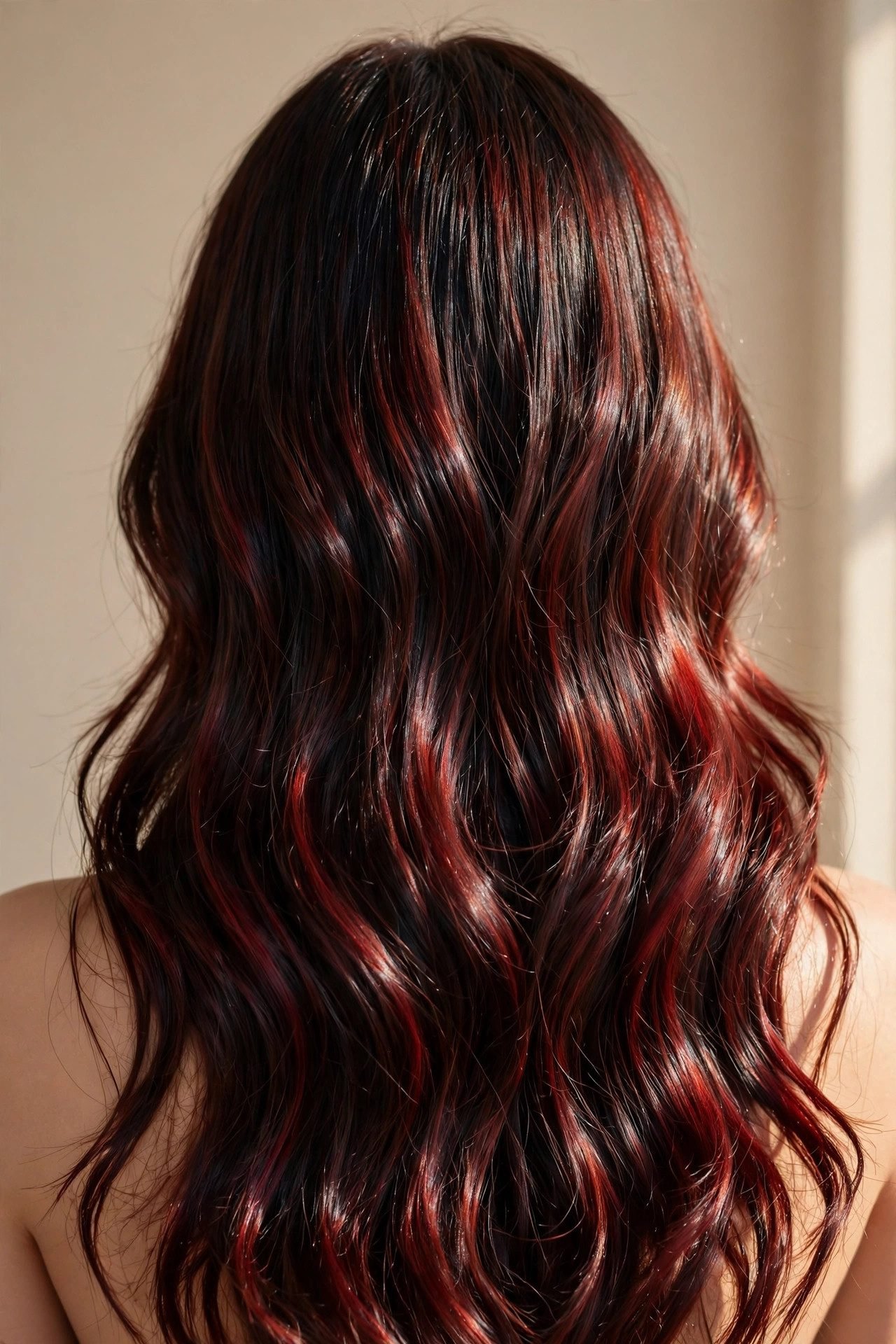
Cherry cola hair is a deep brunette — think level 3 to 4, barely lighter than black — saturated with a cherry-red reflect that mostly hides indoors and detonates in sunlight. In office lighting it reads as an expensive, dimensional near-black. Step outside and the red wakes up: not orange-red, not burgundy-purple, but that dark translucent red you see holding a cola bottle up to the light. That’s where the name comes from, and it’s annoyingly accurate.
Here’s the judgment call most articles won’t make: if your inspiration photo looks bright red indoors, that is not cherry cola — that’s just red hair. Real cherry cola is a brunette that blushes. The whole appeal is the restraint. I’ve seen three women this month ask for “cherry cola” and walk out with vivid red because they showed their stylist a photo taken in direct sun and said “exactly this.” Show your stylist a photo taken indoors too. The indoor photo is the honest one.
Round 2: What Oxidized Copper Actually Looks Like
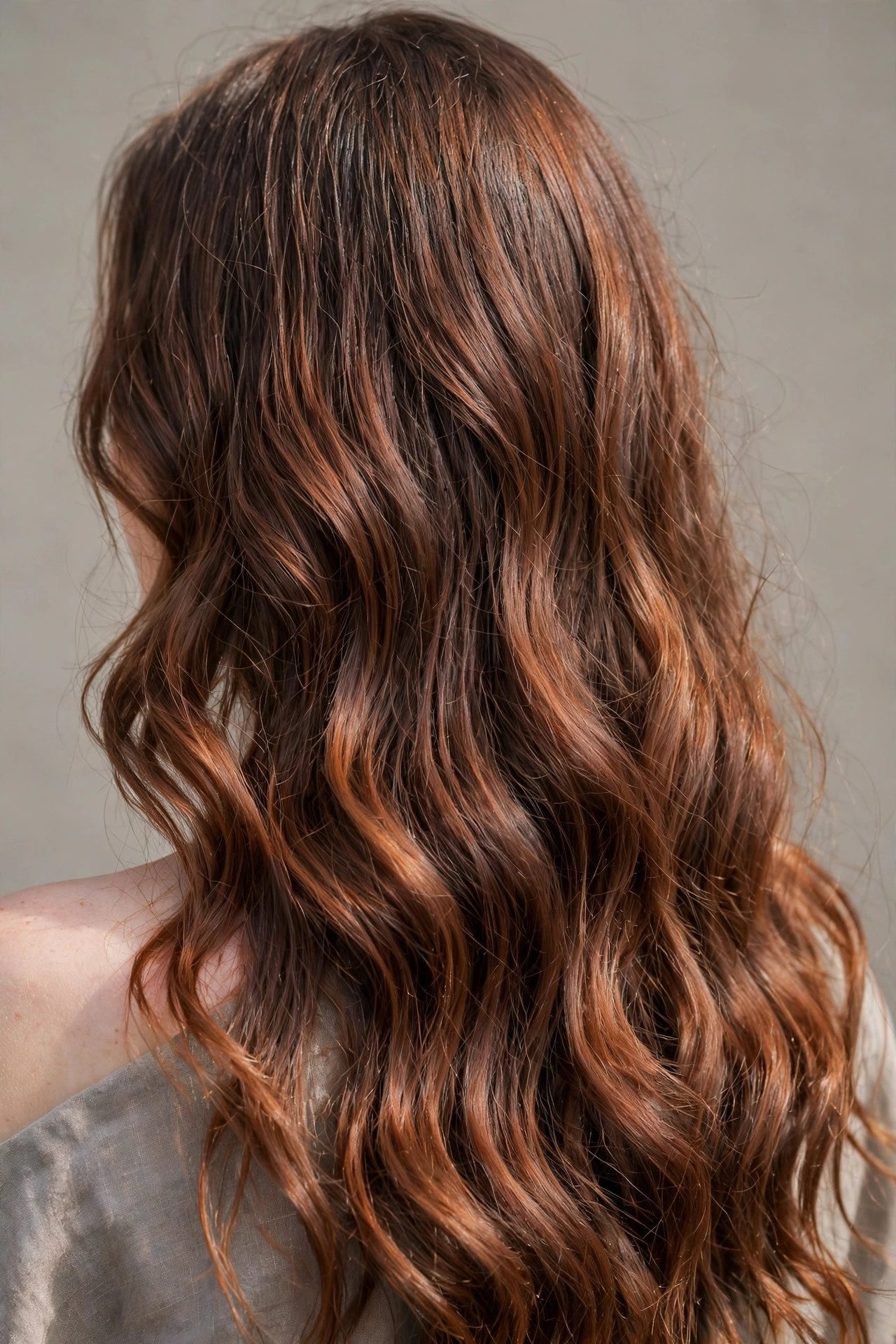
Oxidized copper is the grown-up, slightly tired version of classic copper — and I mean that as a compliment. Where traditional copper is a shiny-new-penny orange, oxidized copper has brown dragged through it, like a penny that’s lived in a pocket for a year. It’s muted, earthy, expensive-looking. Pinterest’s trend report specifically calls out this dulled-down warmth as the 2026 direction, away from the high-shine copper that dominated the last two years.
The distinction matters more than people think. “Oxidized” is doing real descriptive work here — it means matte-leaning, desaturated, brown-based. If you actually want bright, look-at-me copper, say so out loud and don’t let anyone talk you into the oxidized version. Showing your stylist the wrong inspo photo is the number-one way color appointments go sideways, and with these two coppers the photos genuinely look similar on a phone screen. Zoom in on the ends: oxidized copper ends look dusty; bright copper ends look lit from within.
Round 3: The Skin-Tone Test — Who Cherry Cola Flatters

Cherry cola is the rare red-adjacent color that doesn’t demand a specific complexion, and the reason is structural: the brown base does the heavy lifting while the red just visits. On medium and olive skin it’s almost unfair — the warmth wakes up golden undertones without a drop of bronzer. On deep skin it’s stunning because the near-black base keeps the contrast elegant while the red adds dimension that flat black hair never has. On fair skin it works best with the red kept sheer; go too saturated and very fair complexions can look washed out by comparison, like standing next to a stained-glass window.
My honest take: cherry cola is the safest “first red” ever invented. Women who’ve been told their whole lives that redheads have more fun but red dye isn’t for them — this is the loophole. You get the intrigue of red hair with the social safety of brunette hair. In my experience, that’s exactly why it’s outpacing copper in saves right now: it lets cautious women participate in a bold trend.
Round 4: The Skin-Tone Test — Who Copper Flatters

Copper is pickier, and pretending otherwise does nobody favors. It is genuinely transcendent on fair, neutral-to-warm skin — the classic pairing exists for a reason, and freckles plus oxidized copper is one of those combinations that makes strangers stop you. On warm medium skin it can work beautifully if the brown base of the formula is deepened to match. But on cool olive skin, copper can pull an unpleasant khaki-green cast out of the complexion, and I’ve seen that exact disappointment happen twice.
Here’s the rule I’d tattoo on the idea if I could: copper only works if your blush, your lipstick, and your jewelry box already live in warm tones. If you reach for silver jewelry, cool pink blush, and blue-red lipstick, oxidized copper will fight your face every single morning. Cherry cola, by contrast, gets along with both silver and gold. That flexibility is worth more than people realize until they’re rebuying their entire makeup bag.
Round 5: The Maintenance Math Nobody Talks About
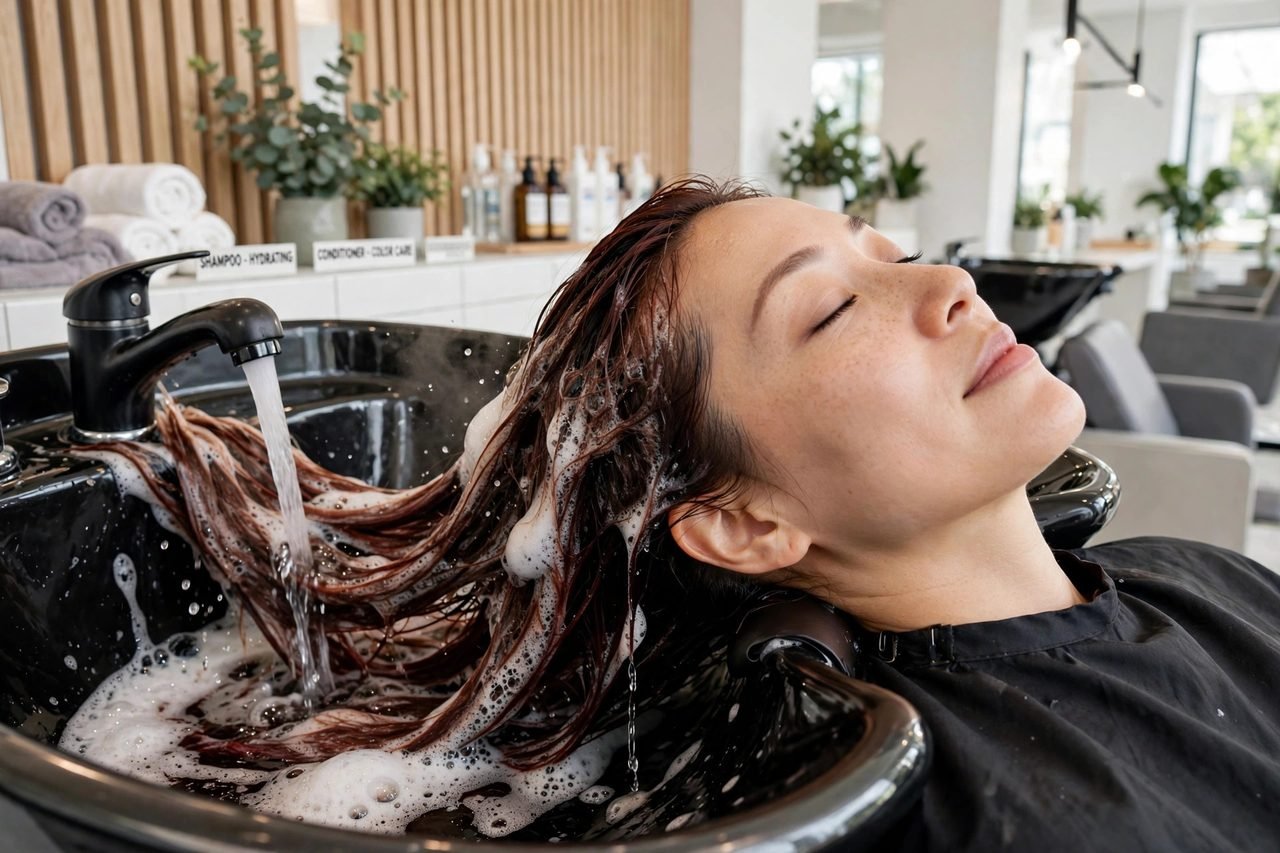
This is the round that decides the whole comparison, so pay attention. Red dye molecules are physically larger than other color molecules — they slip out of the hair shaft faster, which is why all reds fade. But here’s what matters: when cherry cola fades, what’s left behind is a rich brunette. At week eight, unfaded cherry cola looks like an expensive chocolate-brown dye job. Nobody at work knows you “need your roots done.” When oxidized copper fades, what’s left is a dull, muddy strawberry blonde that reads as a mistake. At week five, copper announces to the room that you’re overdue.
The practical numbers from the colorists I spoke to: cherry cola needs a gloss refresh every 8–10 weeks, and a $15 at-home red-depositing gloss mask stretches that further. Oxidized copper needs professional attention every 4–6 weeks, plus a copper-depositing conditioner at home or the fade gets patchy. Skip copper if you can’t honestly commit to the salon every five weeks. Not “hope to” — commit to. Your calendar matters more than your mirror here, and that’s the sentence I wish someone had told my cousin before her copper era lasted exactly one grow-out.
Round 6: The Salon Bill, Honestly Priced
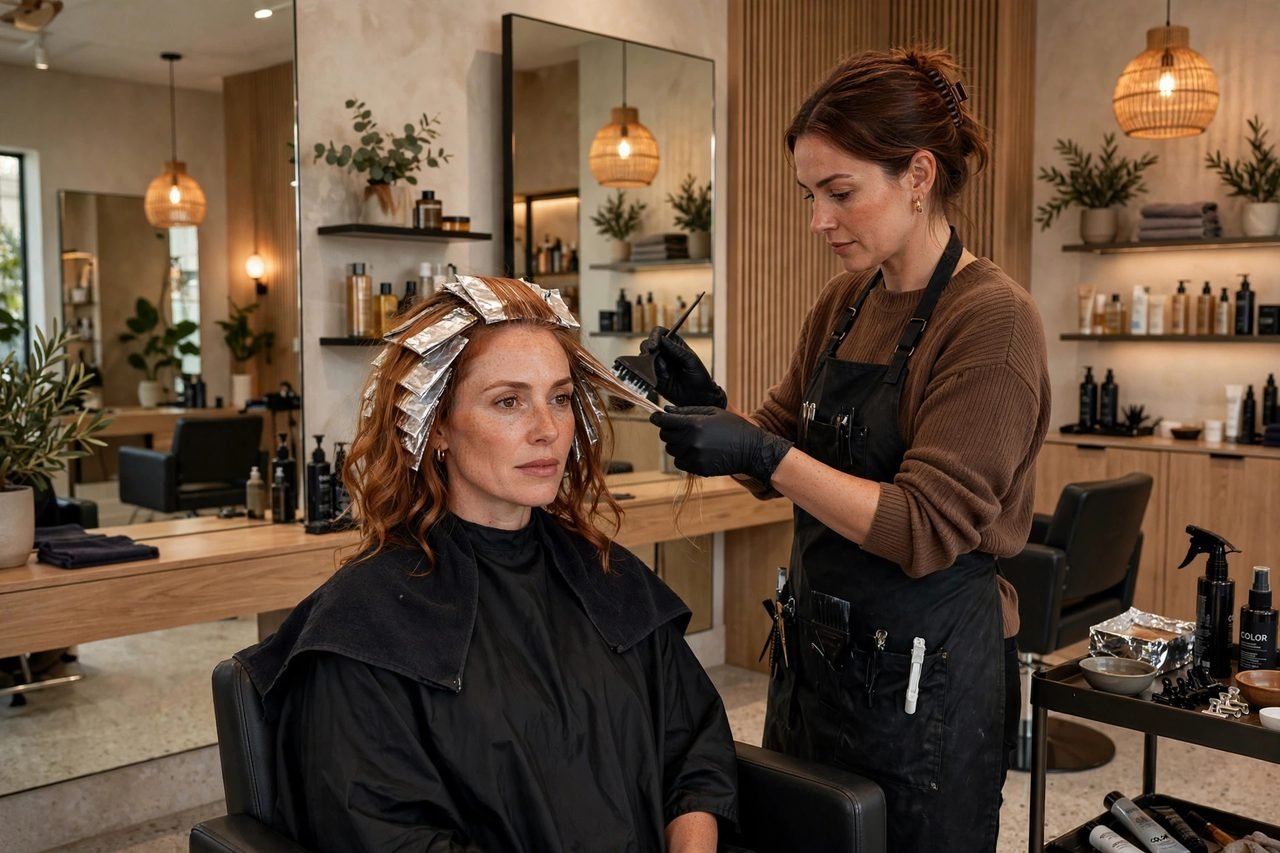
Starting from natural dark brown or black hair — which describes most of my readers — cherry cola is usually a single-process color or a demi-permanent gloss. Ninety minutes in the chair, minimal damage, and because the target shade is dark, the colorist isn’t fighting your natural pigment. Oxidized copper on the same starting hair is frequently a double process: lift first, then deposit the copper. That’s three-plus hours, more damage, and meaningfully more money.
Realistic ranges from mid-tier salons: cherry cola runs the cost of a standard all-over color; copper runs 40–60% more for the first appointment because of the lightening stage, and then you pay the maintenance visits twice as often. Do the twelve-month math and copper costs roughly double. This only works if you budget for the year, not the appointment. A color you can’t afford to maintain is just an expensive countdown to a color correction, and corrections cost more than either option.
Round 7: Your Wardrobe Gets a Vote Too

Nobody factors this in and everybody should. I did an unscientific but revealing test: I pulled ten everyday outfits — black blazer, navy sweater, white tee and jeans, camel coat, olive cargo pants, gray hoodie, cream knit, burgundy dress, denim jacket, charcoal trousers — and mentally auditioned each hair color against them. Cherry cola worked with nine out of ten; it only sulked slightly against the burgundy dress, and even that was fine. Oxidized copper was magnificent with the camel coat, the cream knit, and the olive cargos — genuinely editorial — and actively argued with the black blazer, the navy sweater, and the gray hoodie.
The pattern: copper demands a warm wardrobe; cherry cola doesn’t care what you wear. If your closet is already full of camel, cream, rust, olive, and gold jewelry, copper will look intentional every day. If you live in black, navy, gray, and silver — like most working wardrobes — cherry cola slides in without requiring a single new purchase. A hair color that forces a wardrobe overhaul has a hidden price tag nobody puts on the salon menu.
Round 8: Who Should Skip Each Color
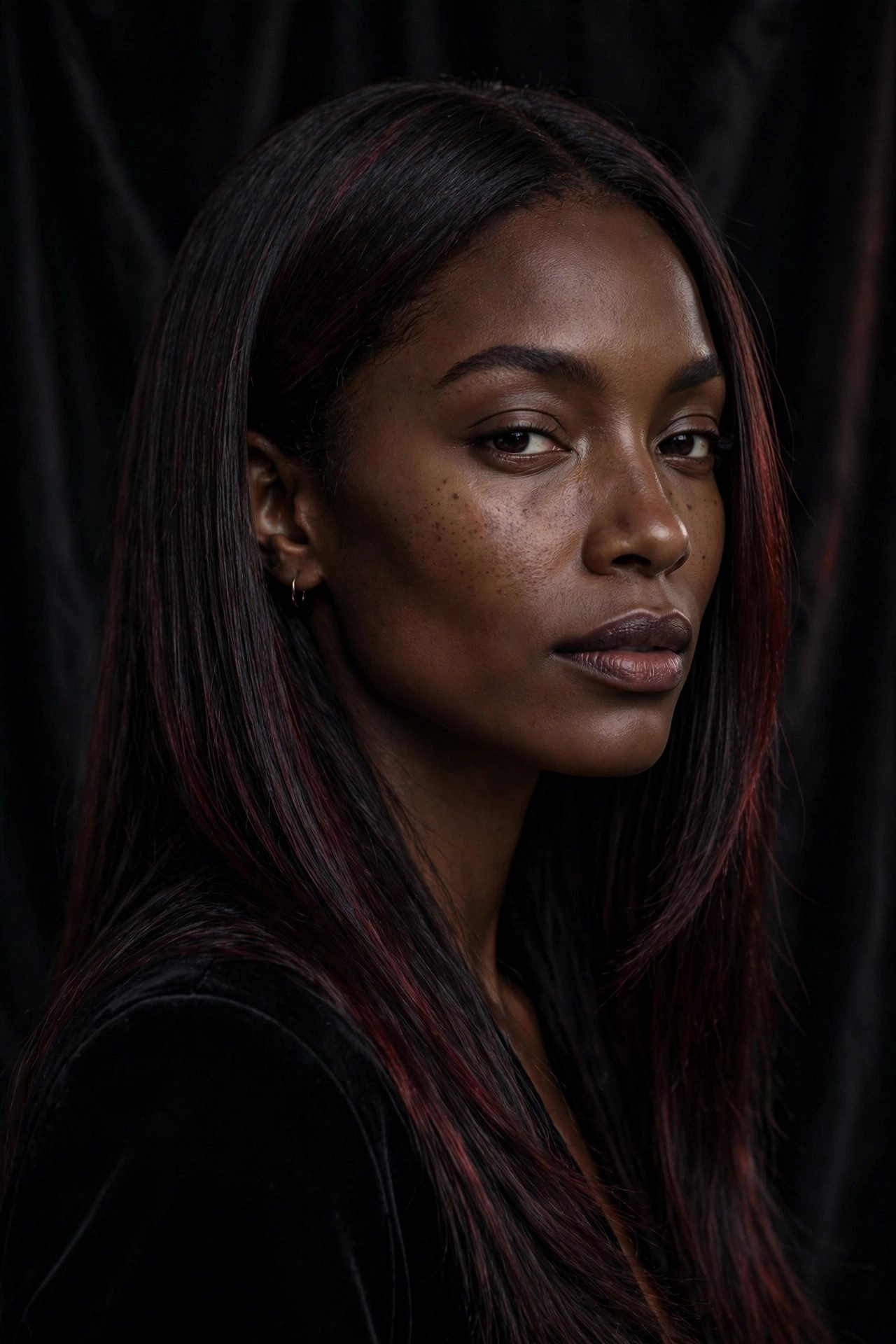
Skip cherry cola if any of these are true: you genuinely dislike seeing red tones in sunlight (because sunlight will find them, every time); your hair is currently jet black and you want a dramatic visible change (cherry cola on black reads as “shiny black” to everyone but you, which is a lot of money for a secret); or you’re planning to go blonde within six months (red pigment is stubborn — removing it is a project).
Skip oxidized copper if: your salon visits happen “whenever,” your wardrobe runs cool, your skin is cool-olive, or the phrase “color-depositing conditioner” makes you tired. Also skip it if you’re getting married or doing event photos in the next two months — copper photographs warmer than it looks in person, and I’ve seen brides surprised by how orange they read in golden-hour photos. There is no shame in picking the color that fits your actual life instead of your Pinterest board. The best hair color is the one you’ll still like when you’re busy, broke, and three weeks overdue.
Round 9: My Verdict
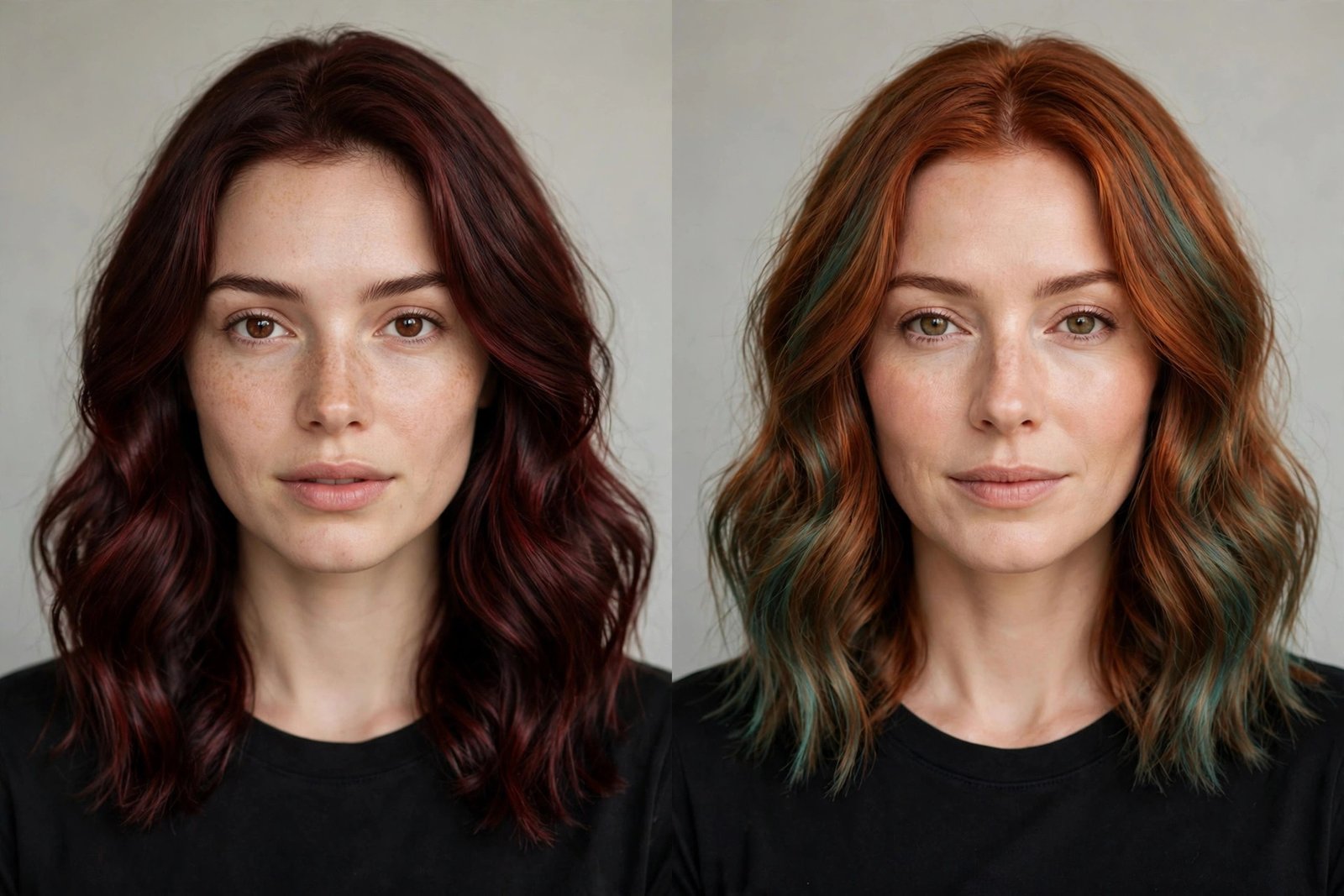
Final scores, judged the way I’d judge them for a friend sitting in my kitchen: cherry cola takes versatility (9/10 vs 6/10), maintenance (9/10 vs 4/10), cost over a year (8/10 vs 5/10), and skin-tone range (9/10 vs 6/10). Copper takes pure visual impact on the right person (10/10 vs 8/10) and trend-heat right now (9/10 vs 8/10 — copper is the louder Pinterest story this month). Weighted by what actually matters after week six, cherry cola wins going away for most women.
But here’s the part where I’m honest about my own bias: if you are the woman copper was made for — warm skin, warm wardrobe, salon-regular, loves a statement — do not let my verdict talk you out of it. Copper on the right person isn’t just pretty, it’s the kind of hair people remember. Cherry cola is the smarter choice; copper is the braver one. Just make the brave choice with open eyes and a standing appointment.
Round 10: Exactly What to Tell Your Stylist
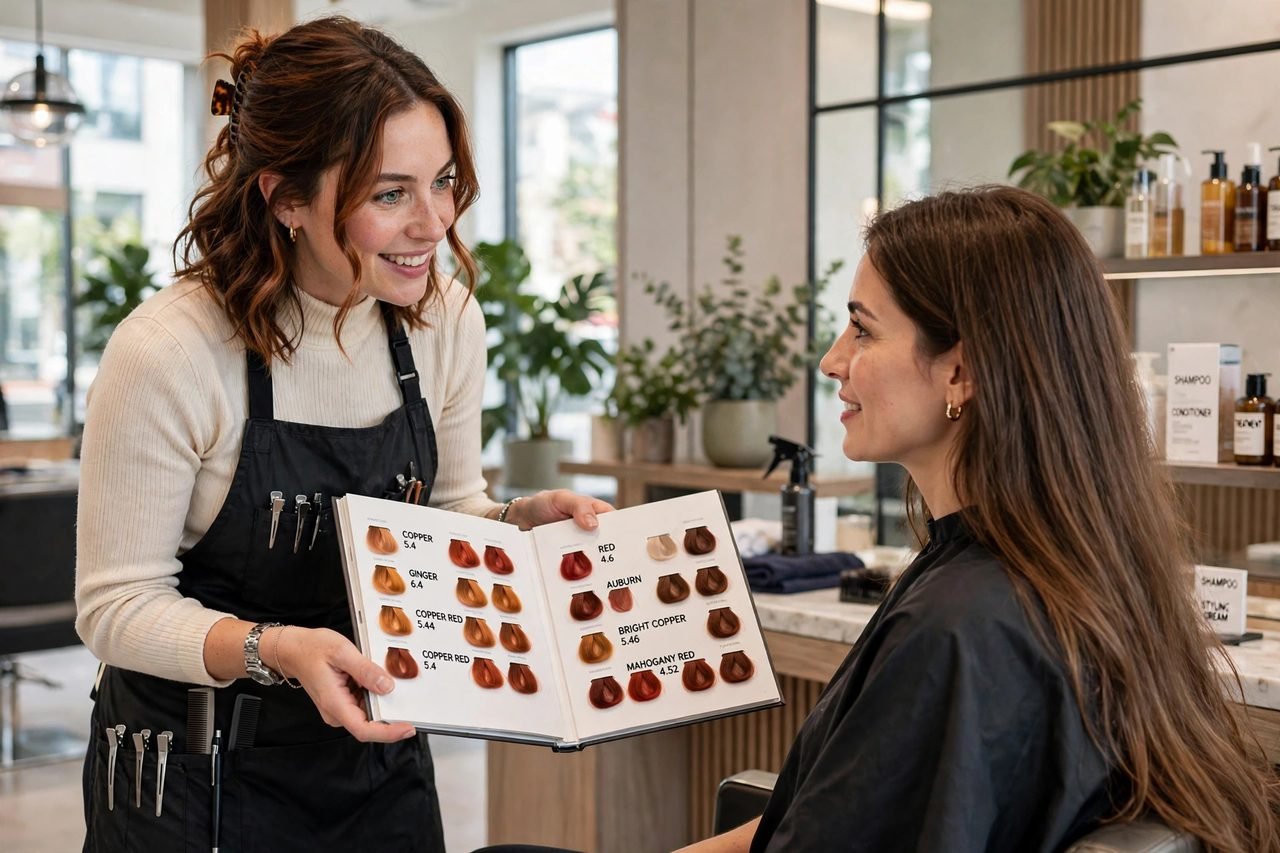
For cherry cola, say: “a level 3–4 brunette base with a sheer cherry-red reflect — I want it to read brunette indoors and red in sunlight.” Bring one indoor photo and one outdoor photo of the same shade. Ask for demi-permanent over permanent if your hair is healthy and dark; it fades more gracefully. For oxidized copper, say: “muted, brown-based copper — oxidized, not bright — I want it dusty, not shiny.” Bring photos where you can see the ends clearly. Ask whether your natural level needs lifting first, and get that answer before you agree to anything, because that’s where the price doubles.
And ask every stylist the question most clients forget: “What will this look like at week six with no touch-up?” A good colorist will show you — some keep grow-out photos on their phone. If they dodge the question, that’s information too. The right stylist for either of these colors is one who’s excited to talk about the fade, not just the reveal.
For more fall beauty, see my breakdown of Pinterest’s first Beauty Trend Report (where both these shades come from), the vamp romantic makeup guide — black cherry nails were basically made to match cherry cola hair — and 10 perfume layering ideas for fall to finish the seasonal reset.
Frequently Asked Questions
What is cherry cola hair?
Cherry cola hair is a deep brunette base (around level 3–4) with a cherry-red reflect worked through it. It looks like an expensive near-black indoors and reveals dark red dimension in sunlight — like holding a cola bottle up to the light.
What is oxidized copper hair?
Oxidized copper is a muted, brown-based copper — a burnt orange dulled down to look “lived in” rather than shiny. Pinterest’s 2026 Beauty Trend Report flags this desaturated warmth as the current direction, away from the bright copper of previous years.
Which fades faster, cherry cola or copper?
Copper fades faster and worse. All reds fade because red dye molecules are larger, but cherry cola fades into a rich brunette that still looks intentional at week eight, while copper fades into a dull strawberry blonde that reads as overdue by week five.
Does cherry cola hair work on dark, near-black hair?
Technically yes, but manage expectations: on jet-black hair, cherry cola mostly reads as glossy black with a red shimmer only in direct sun. If you want a visible transformation, you’ll need some lifting first — at which point copper becomes the more honest choice.
Does oxidized copper suit olive skin?
It’s tricky. Cool olive skin can pull a khaki-green cast against copper’s warmth. Warm olive skin handles it better, especially if the formula’s brown base is deepened. When in doubt, cherry cola is the safer warm-toned option for olive complexions.
How often does each color need a salon touch-up?
Cherry cola needs a gloss refresh every 8–10 weeks. Oxidized copper needs professional attention every 4–6 weeks, plus at-home copper-depositing conditioner between visits to keep the fade even.
Can I DIY cherry cola or copper at home?
Cherry cola is the more DIY-friendly of the two — a demi-permanent cherry-brown gloss over dark hair is forgiving. Copper, especially on dark hair, usually needs lifting first, which is where home attempts go wrong. I’d book a professional for copper’s first appointment at minimum.
Which costs more over a full year?
Copper costs roughly double over twelve months: the first appointment often runs 40–60% more (double process with lightening), and you’ll visit twice as often for maintenance. Budget for the year, not the appointment.
By Mehboob Hussain
Mehboob Hussain is the founder and editor of MubStyle, where he covers fashion, beauty, home decor and wellness. He researches and writes every article himself — testing each idea for real life before it makes the list — and creates original visuals for every guide. Based in Multan, Pakistan.

Mehboob Hussain is the founder and editor of MubStyle, where he covers fashion, beauty, home decor and wellness. He researches and writes every article himself — testing each idea for real life before it makes the list — and creates original visuals for every guide. Based in Multan, Pakistan.